
Marijuana DUI
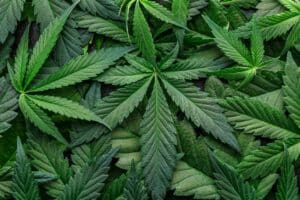 Arrested for a Marijuana DUI in San Diego, California? Know Your Rights.
As marijuana use becomes increasingly common in California, law enforcement agencies continue to investigate drivers suspected of driving under the influence of cannabis. However, unlike alcohol-related DUI cases, there is currently no universally accepted scientific test that can accurately determine whether a driver was impaired by marijuana at the exact time they were operating a vehicle. Learn more about a San Diego Marijuana DUI.
By Dod Ghassemkhani, San Diego’s Best Marijuana DUI Defense Lawyer
If you have been arrested for a marijuana DUI in California, understanding how officers investigate these cases and the limitations of marijuana testing can be critical to your defense.
Is There a Breathalyzer for Marijuana?
No. Unlike alcohol, there is no breathalyzer test that can reliably measure marijuana impairment.
In alcohol DUI cases, officers can use breath or blood tests to determine a driver’s Blood Alcohol Concentration (BAC). California law establishes a legal limit of 0.08% BAC for most drivers, making alcohol impairment relatively straightforward to evaluate.
Marijuana DUI cases are much different.
The psychoactive compound in marijuana, tetrahydrocannabinol (THC), behaves differently in the body than alcohol. THC can remain detectable in blood, urine, saliva, and other bodily fluids long after the intoxicating effects have worn off. In some cases, traces of THC may remain detectable for days or even weeks after use.
As a result, a positive drug test does not necessarily prove that a driver was impaired while driving.
How Do Police Investigate Marijuana DUI Cases in California?
When an officer suspects a driver may be under the influence of marijuana, the investigation typically begins with observations and field sobriety testing.
Officers may look for:
- Driving patterns that suggest impairment
- Bloodshot or watery eyes
- Odor of marijuana
- Slow reactions or delayed responses
- Physical signs of intoxication
- Statements made by the driver
If an officer believes there is probable cause, they may ask the driver to perform field sobriety tests and may ultimately make an arrest.
Common Marijuana Field Sobriety Tests | San Diego Marijuana DUI
Field sobriety tests (FSTs) are physical and mental exercises designed to help officers assess whether a driver’s coordination, balance, and attention appear impaired.
While commonly used in DUI investigations, these tests are not always reliable and can be affected by medical conditions, age, fatigue, anxiety, injuries, or environmental factors.
Horizontal Gaze Nystagmus (HGN) Test
Often called the “eye-follow test,” the HGN test involves an officer moving an object, such as a pen or finger, from side to side while observing the driver’s eye movements.
The officer looks for involuntary jerking of the eyes, known as nystagmus, which may be associated with impairment from certain substances.
However, many experts question the usefulness of HGN testing for detecting marijuana impairment because cannabis affects the body differently than alcohol.
Walk-and-Turn Test
The walk-and-turn test requires a driver to:
- Take several heel-to-toe steps along a straight line.
- Turn as instructed.
- Return in the same manner.
Officers may note:
- Loss of balance
- Incorrect number of steps
- Stepping off the line
- Starting too soon
- Stopping during the exercise
One-Leg Stand Test
During this exercise, the driver is instructed to stand on one foot while counting aloud.
Officers look for:
- Swaying
- Hopping
- Using arms for balance
- Putting the raised foot down
Failure on one or more field sobriety tests may contribute to an officer’s decision to make an arrest.
Chemical Testing After a Marijuana DUI Arrest
Under California’s implied consent laws, drivers who are lawfully arrested for DUI are generally required to submit to chemical testing.
Depending on the circumstances, testing may involve:
- Blood testing
- Breath testing
- Urine testing (in limited situations)
In marijuana DUI cases, blood testing is often used because breath tests currently cannot measure THC impairment in the same way they measure alcohol concentration.
The Problem with THC Testing
One of the biggest challenges in marijuana DUI cases is that THC can remain detectable long after the effects have ended.
A blood test may show the presence of THC metabolites without establishing:
- When marijuana was consumed
- How much was consumed
- Whether the driver was impaired at the time of driving
This distinction can become a significant issue during criminal proceedings.
Saliva Drug Testing in California
Some California law enforcement agencies have experimented with roadside saliva drug tests.
These tests are designed to detect the presence of substances such as:
- Marijuana (THC)
- Cocaine
- Methamphetamine
- Certain prescription medications
While saliva tests may indicate recent exposure to a substance, questions remain regarding their reliability and ability to accurately measure actual impairment.
A positive saliva test alone does not necessarily prove that a driver was under the influence while operating a vehicle.
What Makes a Marijuana DUI Arrest Legal?
For a DUI arrest to be lawful, officers must have probable cause to believe a driver was operating a vehicle while impaired by alcohol, drugs, or a combination of substances.
Evidence commonly cited by prosecutors may include:
- Officer observations
- Field sobriety test performance
- Statements made by the driver
- Chemical test results
- Body camera or dash camera footage
- Testimony from Drug Recognition Experts (DREs)
An experienced DUI defense attorney can evaluate whether the officer’s actions complied with California law and whether the evidence supports the allegations.
California Marijuana DUI Laws
Under California Vehicle Code § 23152(f), it is unlawful for a person who is under the influence of any drug to drive a vehicle. Marijuana falls within the definition of a drug for purposes of California DUI laws.
Unlike alcohol-related DUI cases, California does not establish a specific THC limit that automatically makes a driver legally impaired. Instead, prosecutors must prove that marijuana affected the driver’s mental or physical abilities to such a degree that they could no longer drive with the caution of a sober person.
California’s Implied Consent Law
Drivers arrested for DUI in California are subject to the state’s implied consent law under California Vehicle Code § 23612. This law generally requires a driver lawfully arrested for DUI to submit to chemical testing.
Refusing a required chemical test can result in additional penalties, including driver’s license suspension and enhanced consequences if convicted.
Penalties for a Marijuana DUI Conviction
A conviction for driving under the influence of marijuana may carry penalties similar to those imposed in alcohol DUI cases. Depending on the circumstances, penalties may be imposed under California Vehicle Code § 23536 and related DUI sentencing statutes and can include:
- Fines and court assessments
- DUI education programs
- Probation
- Driver’s license suspension
- Installation of an ignition interlock device in some cases
- Jail time for certain offenders
Drivers Under 21 | San Diego Marijuana DUI
California’s Zero Tolerance laws impose stricter standards for drivers under the age of 21. Under California Vehicle Code § 23136, underage drivers may face administrative penalties for any measurable amount of alcohol in their system. Additional DUI-related consequences may apply if drugs or marijuana are involved.
Defending Against Marijuana DUI Charges | San Diego Marijuana DUI
Every marijuana DUI case is unique. Common defense strategies may include:
- Challenging the legality of the traffic stop
- Questioning field sobriety test results
- Challenging chemical testing procedures
- Disputing the reliability of THC testing
- Examining medical conditions or alternative explanations for observed behavior
- Contesting probable cause for arrest
Because marijuana impairment can be difficult to prove, a thorough review of the evidence is essential.
Act Now! Call Dod Law for Experienced DUI Defense | San Diego Marijuana DUI
A marijuana DUI conviction can carry serious consequences, including fines, license suspension, probation, increased insurance costs, and potential jail time.
If you have been arrested for driving under the influence of marijuana in California, you should speak with an experienced criminal defense attorney as soon as possible.
At Dod Law, we carefully examine every aspect of a DUI investigation, challenge weak or unreliable evidence, and fight to protect our clients’ rights.
Contact Dod Law today for a confidential consultation and learn how we can help defend your case.
Disclaimer: The information provided in this blog is intended for general informational and educational purposes only and should not be construed as legal advice. Reading this article does not create an attorney-client relationship with Dod Law or Dod Ghassemkhani, Esq. Every criminal case is unique, and the laws, legal principles, and procedures discussed may not apply to your specific circumstances.
You should not act upon or rely on any information contained in this article without first consulting a qualified criminal defense attorney regarding your particular situation. If you have been arrested, are under investigation, or are facing criminal charges in San Diego County, and Southern California, contact Dod Law to schedule a confidential consultation with Dod Ghassemkhani, Esq. and receive legal guidance tailored to your case.
At a Glance
Meet Attorney Dod Ghassemkhani
- Recent Case Results
- San Diego Criminal Defense Bar Association | Named San Diego County’s 2023 Trial Lawyer Of The Year
- Award Winning Criminal Defense Attorney
- The National Trial Lawyers: Top 100 Trial Lawyers
- Over 20 years of criminal defense experience
- 10.0 “Superb” Avvo Rating