
How Field Sobriety Tests Can Be Challenged in San Diego DUI Cases
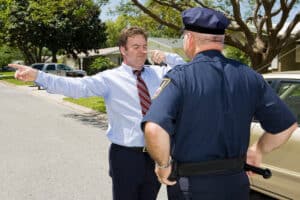
Challenge Field Sobriety Tests in San Diego
Field sobriety tests form the backbone of many DUI prosecutions in San Diego, yet these roadside assessments are far from foolproof. Despite their widespread use by law enforcement, these tests are subjective, prone to error, and can be successfully challenged by experienced defense attorneys. Understanding the flaws inherent in field sobriety testing can be crucial to mounting an effective defense against DUI charges. Learn how to challenge field sobriety tests in San Diego in DUI Cases.
At Dod Law, our San Diego DUI defense team has over two decades of experience challenging field sobriety test results in courtrooms throughout San Diego County. We understand that a failed field sobriety test doesn’t automatically mean a DUI conviction, and we know how to identify the weaknesses in these tests that can lead to reduced charges or case dismissals.
Understanding the Three Standardized Field Sobriety Tests
The National Highway Traffic Safety Administration (NHTSA) has standardized three field sobriety tests commonly used by San Diego law enforcement. The horizontal gaze nystagmus (HGN) test involves following an object with your eyes while an officer looks for involuntary jerking movements. The walk-and-turn test requires walking in a straight line, heel-to-toe, then turning and walking back. The one-leg stand test involves standing on one foot while counting aloud.
These tests were designed under laboratory conditions with specific protocols that officers must follow precisely. When administered incorrectly, the results become unreliable and challengeable in court. Many San Diego police officers receive minimal training on these tests, and even small deviations from proper procedure can invalidate the results.
The scoring of these tests is highly subjective, relying on an officer’s interpretation of your performance. What one officer considers a failure, another might view as acceptable. This subjectivity creates significant opportunities for defense challenges, particularly when video evidence contradicts an officer’s testimony.
Medical and Physical Factors That Affect Test Performance
Numerous medical conditions can impact field sobriety test performance without any alcohol consumption. Inner ear problems, neurological conditions, and medications can all cause balance issues or eye movement abnormalities that mimic signs of impairment. Age, weight, and physical fitness levels also play significant roles in test performance.
Injuries, particularly to the legs, back, or feet, can make it impossible to perform these tests successfully. Even minor conditions like wearing high heels or having poor eyesight can affect results. Officers rarely inquire about medical conditions before administering tests, creating grounds for challenging their conclusions.
Weather and road conditions in San Diego can also impact test performance. Uneven pavement, poor lighting, or windy conditions can cause balance problems unrelated to alcohol consumption.
Environmental Factors and Testing Conditions
The location and circumstances of field sobriety testing can significantly impact results. Tests conducted on busy San Diego freeways with passing traffic can cause anxiety and distraction, affecting performance. Poor lighting conditions make it difficult for officers to accurately observe test performance and for suspects to see clearly.
The psychological pressure of being arrested and tested can cause even sober individuals to perform poorly. Nervousness, fear, and confusion are natural responses to police encounters that can be misinterpreted as signs of impairment.
Legal Challenges to Field Sobriety Test Administration
Successful challenges to field sobriety tests often focus on improper administration. Officers must follow specific procedures, including providing clear instructions, demonstrating the tests properly, and allowing adequate time for completion. Failure to follow these protocols can invalidate test results.
Video evidence from police dashcams or body cameras frequently reveals discrepancies between an officer’s report and actual test administration. These recordings can show incomplete instructions, improper demonstrations, or environmental factors that affected performance.
The timing of field sobriety tests is also crucial. Tests conducted too long after driving may not accurately reflect impairment levels at the time of operation. Similarly, tests given after prolonged roadside detention may be affected by fatigue or anxiety rather than alcohol consumption.
Questioning Officer Training and Qualifications
Not all San Diego police officers receive adequate training in field sobriety test administration. Defense attorneys can challenge an officer’s qualifications by examining their training records, certification status, and experience with these tests. Officers who haven’t received proper NHTSA training or whose certifications have lapsed may not be qualified to administer these tests.
The frequency with which an officer administers field sobriety tests can also be relevant. Officers who rarely conduct these tests may be more likely to make procedural errors or misinterpret results. Training records and testimony can reveal these deficiencies.
Alternative Explanations for Test Performance
Many factors unrelated to alcohol consumption can cause poor field sobriety test performance. Fatigue from long work days, medical conditions, anxiety, or even cold weather can affect coordination and balance. Presenting alternative explanations for test failure can create reasonable doubt about impairment.
Physical characteristics like age, weight, or fitness level can legitimately impact test performance. Older individuals or those with physical limitations may struggle with balance tests regardless of sobriety. Documentation of these conditions can support challenges to test reliability.
Previous injuries, even those that have healed, can affect balance and coordination during field sobriety tests. Medical records showing past injuries or ongoing treatment can provide powerful evidence for defense challenges.
Defending Your Rights with Dod Law in San Diego | Challenge Field Sobriety Tests
Field sobriety tests are not infallible, and poor performance doesn’t guarantee a DUI conviction in San Diego. At Dod Law, we’ve successfully challenged field sobriety test results in countless cases throughout San Diego County, often leading to reduced charges or complete case dismissals. Our team understands the science behind these tests and the many factors that can affect their reliability. Named San Diego County’s 2023 Trial Lawyer of the Year, Dod Ghassemkhani has the experience and knowledge necessary to identify weaknesses in the prosecution’s case and protect your driving privileges.
With over two decades of experience and more than 100 jury trials, we know how to effectively challenge field sobriety test evidence in San Diego courts. Don’t let a failed field sobriety test determine your future—these tests can be successfully challenged with the right defense strategy.
To schedule a free consultation with a member of our first-class legal team, call us today at our San Diego office (619) 814-5110 | Orange County office 949-681-7020 | Vista office 760-814-6025 | or schedule an appointment by filling out our online contact form
At a Glance
Meet Attorney Dod Ghassemkhani
- Recent Case Results
- San Diego Criminal Defense Bar Association | Named San Diego County’s 2023 Trial Lawyer Of The Year
- Award Winning Criminal Defense Attorney
- The National Trial Lawyers: Top 100 Trial Lawyers
- Over 20 years of criminal defense experience
- 10.0 “Superb” Avvo Rating