
Can the Military Prosecute You for Off-Duty Conduct? UCMJ Jurisdiction Explained
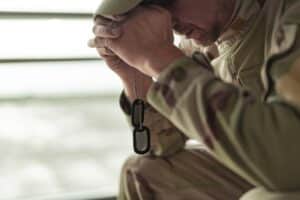 Can the Military Prosecute You for Off-Duty Conduct?
If you are an active-duty service member who has been arrested or accused of misconduct while off duty, you may assume the matter belongs exclusively in civilian court. That assumption can be costly. Learn more about UCMJ Off-Duty conduct and how Dod Law can help you.
The Uniform Code of Military Justice (UCMJ) can apply to service members even when they are off duty, off base, and wearing civilian clothes. Depending on the circumstances, an off-duty incident may lead to civilian criminal charges, military disciplinary action, administrative consequences, or a court-martial.
Understanding UCMJ jurisdiction over off-duty conduct is especially important when your command learns about a civilian arrest or investigation. From our experience the decisions you make early in the process including what you say and whom you speak with can affect both your criminal case and your military career.
By Dod Ghassemkhani, San Diego’s Trusted Military Defense Lawyer
At Dod Law, San Diego criminal defense attorney Dod Ghassemkhani represents individuals facing serious criminal accusations. For military personnel stationed in San Diego and throughout Southern California, civilian charges may carry consequences that extend far beyond the civilian courtroom.
Does the UCMJ Apply When You Are Off Duty?
Yes. In many circumstances, the UCMJ continues to apply to covered service members regardless of whether they are on duty or off duty.
Military jurisdiction generally does not disappear simply because an alleged offense happened outside normal working hours or away from a military installation.
For example, a service member could potentially face military consequences after an off-base incident involving allegations such as:
- DUI or other alcohol-related offenses
- Domestic violence
- Assault or battery
- Sexual misconduct
- Drug offenses
- Theft or fraud
- Weapons-related offenses
- Disorderly conduct or other criminal allegations
The precise military consequences depend on the facts, the service member’s status, the alleged offense, and decisions made by civilian and military authorities.
Importantly, UCMJ jurisdiction and civilian criminal jurisdiction can overlap. An incident in San Diego, for example, may trigger a California criminal investigation while also creating military disciplinary concerns.
What Happens When Your Command Learns About an Off-Base Arrest?
A civilian arrest can quickly become a military issue once your chain of command is notified.
Your command may seek information about what happened or begin considering disciplinary and administrative measures. Depending on the situation, military investigators may also become involved.
Possible consequences can include restrictions on duties or privileges, adverse administrative action, security-clearance concerns, nonjudicial punishment, separation proceedings, or court-martial charges.
This is why talking about the incident without first obtaining legal advice can be dangerous.
A service member may believe that explaining the situation to a supervisor will clear everything up. Instead, those statements could potentially become evidence in a later proceeding.
If you are facing criminal allegations, avoid discussing the underlying facts of the case with investigators or others simply because you feel pressured to explain yourself. The rules governing required reporting and questioning can be complicated, so obtaining advice tailored to your circumstances is important.
Can Civilian and Military Authorities Investigate the Same Incident?
Yes.
An off-base incident can result in parallel civilian and military investigations.
For example, a local police department could investigate an alleged offense while military law enforcement or command authorities separately review the same conduct. Evidence and information developed during one investigation may also affect decisions in the other system.
That creates risks that do not exist in an ordinary civilian criminal case.
A statement that appears harmless in one context could create problems in another. Similarly, decisions about witnesses, electronic communications, photographs, videos, or other evidence may have consequences across both proceedings.
For service members, criminal defense strategy therefore needs to account for more than the immediate civilian charges.
Can You Be Charged in Both Civilian and Military Court?
Potentially.
Whether a particular case proceeds through the civilian justice system, the military justice system, or some combination of the two depends on jurisdiction, the alleged offenses, the available evidence, prosecutorial decisions, and military policy.
In some cases, civilian prosecutors handle the criminal charges while the military considers separate administrative or disciplinary action. In others, military authorities may pursue charges under the UCMJ.
The important point is that a civilian case does not automatically prevent military action.
Likewise, the dismissal or reduction of civilian charges does not necessarily eliminate military consequences. The military may consider separate UCMJ offenses or administrative measures based on the alleged conduct.
Does Double Jeopardy Prevent Two Prosecutions?
The answer is more complicated than simply saying that a person can never be prosecuted twice for the same conduct.
The Fifth Amendment protects against double jeopardy, but how that protection applies depends on which governmental authorities are bringing the prosecutions and the specific circumstances involved. The law concerning successive civilian and military proceedings is technical and fact-specific.
Military policies may also restrict or discourage successive prosecutions in circumstances where another jurisdiction has already resolved the case.
Therefore, a service member should not assume that the resolution of a civilian case automatically ends the military matter.
Separate military offenses or administrative consequences may remain possible even when civilian criminal charges have been dismissed, reduced, or resolved.
What Should You Do After an Off-Duty Arrest?
If you are a service member arrested off base, your first priority should be protecting your legal rights in both systems.
Do not attempt to talk your way out of the allegations. Statements to civilian police, military investigators, supervisors, coworkers, or other individuals may later become important evidence.
You should also preserve potentially relevant evidence. That may include text messages, emails, photographs, videos, receipts, location information, and the names and contact information of witnesses. Do not delete or alter potential evidence.
Most importantly, speak with an experienced criminal defense lawyer as early as possible.
Early representation can allow your attorney to investigate the allegations, identify favorable evidence, communicate appropriately with prosecutors, and develop a strategy before important opportunities are lost.
How Can an Off-Duty Arrest Affect Your Military Career?
For a civilian, a criminal charge can threaten freedom, employment, finances, and reputation. For a service member, there may be an additional layer of professional consequences.
Depending on the circumstances, an allegation or conviction could potentially affect:
- Rank and promotion opportunities
- Duty assignments
- Security clearance
- Military benefits
- Reenlistment
- Administrative separation
- Discharge characterization
- Future civilian employment
These collateral consequences make it especially important to consider the broader implications of every decision made in the civilian criminal case.
Even when avoiding a conviction is the primary goal, the defense strategy should account for how a particular resolution could affect the service member’s military future.
Frequently Asked Questions About Off-Duty Conduct and the UCMJ
Contact Dod Law About an Off-Duty Arrest in San Diego
An off-duty arrest can create two serious concerns at once: the civilian criminal case and the potential impact on your military career.
If you are stationed at Naval Base San Diego, Naval Base Coronado, Marine Corps Air Station Miramar, Marine Corps Base Camp Pendleton, or another Southern California installation and have been arrested or charged with a crime, obtaining legal advice early can help you understand your options.
UCMJ Off-Duty Conduct
Dod Law represents clients facing criminal charges in San Diego and throughout Southern California. Attorney Dod Ghassemkhani can evaluate the civilian charges, explain potential consequences, and develop a defense strategy based on the circumstances of your case.
Contact Dod Law to schedule a confidential consultation and learn more about protecting your rights after an off-duty arrest.
Disclaimer: The information provided in this blog is intended for general informational and educational purposes only and should not be construed as legal advice. Reading this article does not create an attorney-client relationship with Dod Law or Dod Ghassemkhani, Esq. Every criminal case is unique, and the laws, legal principles, and procedures discussed may not apply to your specific circumstances.
You should not act upon or rely on any information contained in this article without first consulting a qualified criminal defense attorney regarding your particular situation. If you have been arrested, are under investigation, or are facing criminal charges in San Diego County and Southern California, contact Dod Law to schedule a confidential consultation with Dod Ghassemkhani, Esq., and receive legal guidance tailored to your case.
At a Glance
Meet Attorney Dod Ghassemkhani
- Recent Case Results
- San Diego Criminal Defense Bar Association | Named San Diego County’s 2023 Trial Lawyer Of The Year
- Award Winning Criminal Defense Attorney
- The National Trial Lawyers: Top 100 Trial Lawyers
- Over 20 years of criminal defense experience
- 10.0 “Superb” Avvo Rating